

Xiaomi Auto Lays Out Kunlun Technology Architecture
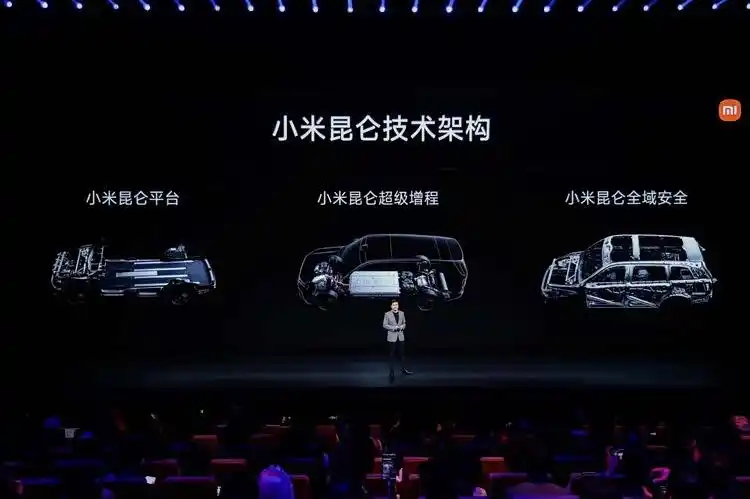
Xiaomi Auto has officially released its Kunlun technology architecture, providing its first systematic explanation of the technical approach behind its large-space extended-range SUVs. Xiaomi Kunlun architecture consists of three components: the Kunlun platform, the Kunlun super range extender, and Kunlun all-domain safety.
Kunlun Platform: Rethinking Cabin Space
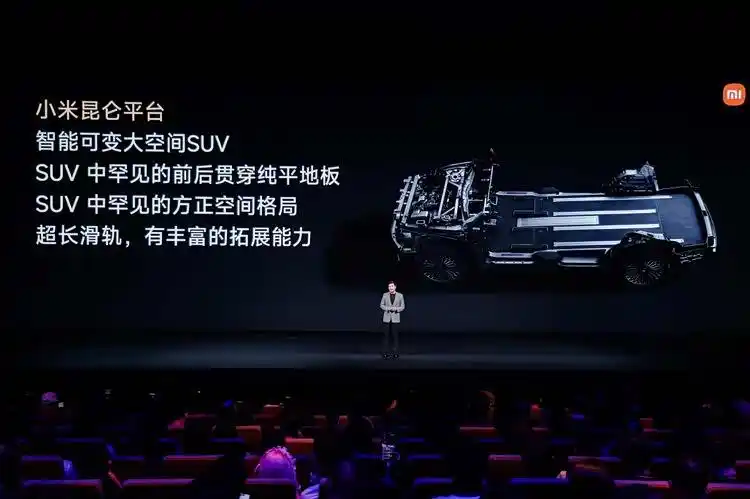
The Kunlun platform first addresses the challenge of interior space. Rather than simply adapting its existing pure-electric platform, Xiaomi redesigned the layout of the rear electric drive unit, battery pack, and fuel tank to create a flat floor running from the cockpit through to the trunk. According to the company, the flat floor section measures 2.9 meters in length with a floor angle of 2.95 degrees. Combined with long through-sliding rails and rotating seats, the design leaves room for adjustment in parked-use scenarios such as working, resting, and multi-person face-to-face seating. Compared with simply lengthening the wheelbase, this approach shifts the large-space competition from exterior body dimensions to interior layout efficiency.
Kunlun Super Range Extender: Power and Range Figures
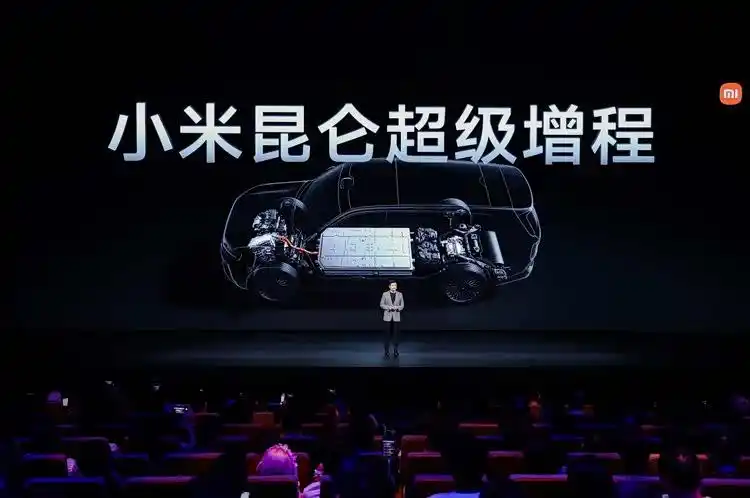
For the powertrain, Xiaomi has taken a large-battery range-extender approach. The Kunlun super range extender is equipped with a 1.5T four-cylinder range-extender engine with a thermal efficiency of 44.3 percent and maximum generation power of 112 kW, compatible with 92, 95, and 98 gasoline grades. The Pengcheng series comes with a battery of up to 76 kWh, delivering a maximum CLTC pure-electric range of 505 km, equivalent to an estimated 404-429 km on a WLTP basis. Battery-depleted fuel consumption under the WLTC cycle is as low as 5.7 liters per 100 km. Xiaomi also stated that Pengcheng models achieve an actual tested range of 1,705 km with a full battery and full fuel tank.
Kunlun All-Domain Safety: Body Structure Reinforcement
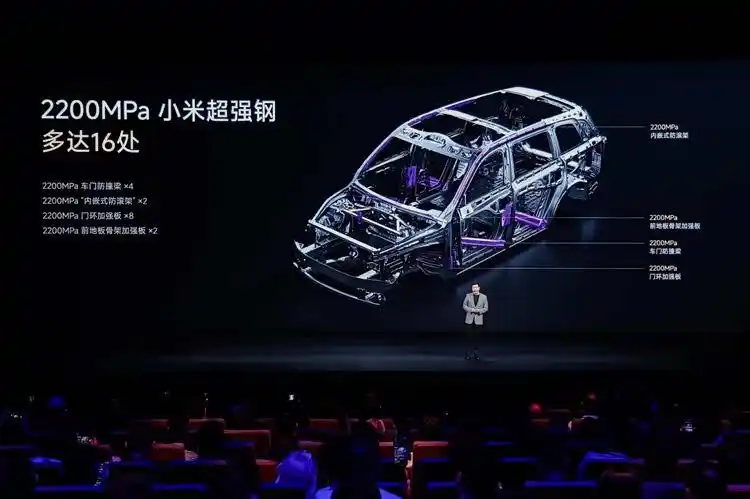
Kunlun all-domain safety is designed to address the added structural challenges created by variable seating, long sliding rails, and a large battery pack. The N90 Max uses an armor cage body structure, with high-strength steel and aluminum alloy accounting for 90.4 percent of materials. Sixteen locations use 2,200 MPa ultra-high-strength steel, and the structure includes an embedded roll cage extending from the A-pillar to the C-pillar.
Dragon Armor Battery System and Verification Status
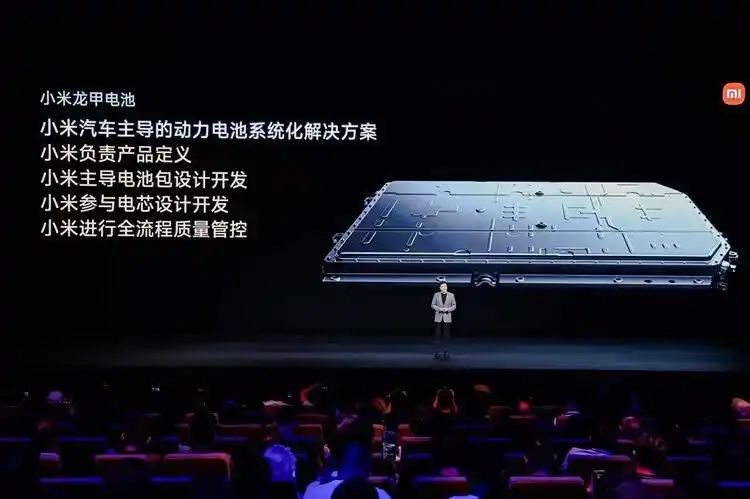
Xiaomi also introduced its Dragon Armor battery system alongside the architecture, covering battery cell design involvement, battery pack development, and production quality management. According to figures disclosed by the company, the system includes 7,985 cell control points and 383 battery pack control points, and has undergone 1,230 tests. These figures currently come primarily from the company’s own disclosures, and actual safety performance still awaits third-party crash testing and long-term use verification.