


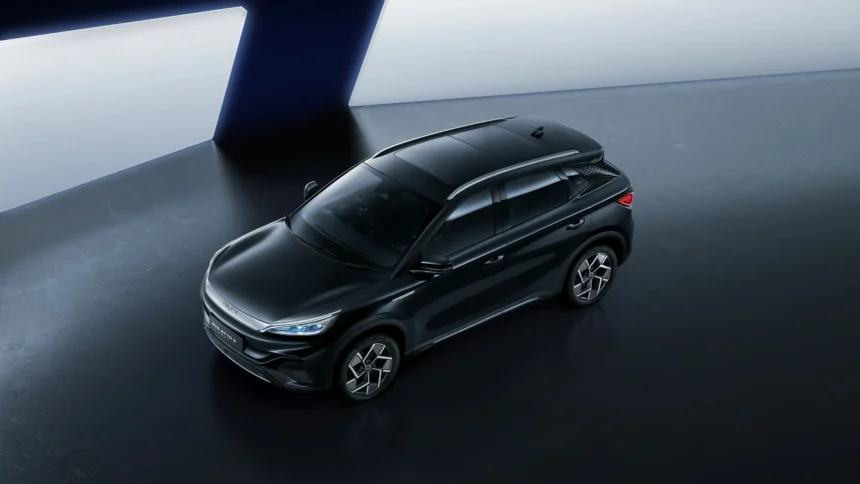
Replacing the battery in your BYD is one of the most significant maintenance costs you’ll face as an EV owner. With BYD models like the Atto 3 and Seal now common on Australian roads, understanding when batteries need replacement—and what it’ll cost—helps you plan ahead and protect your investment.
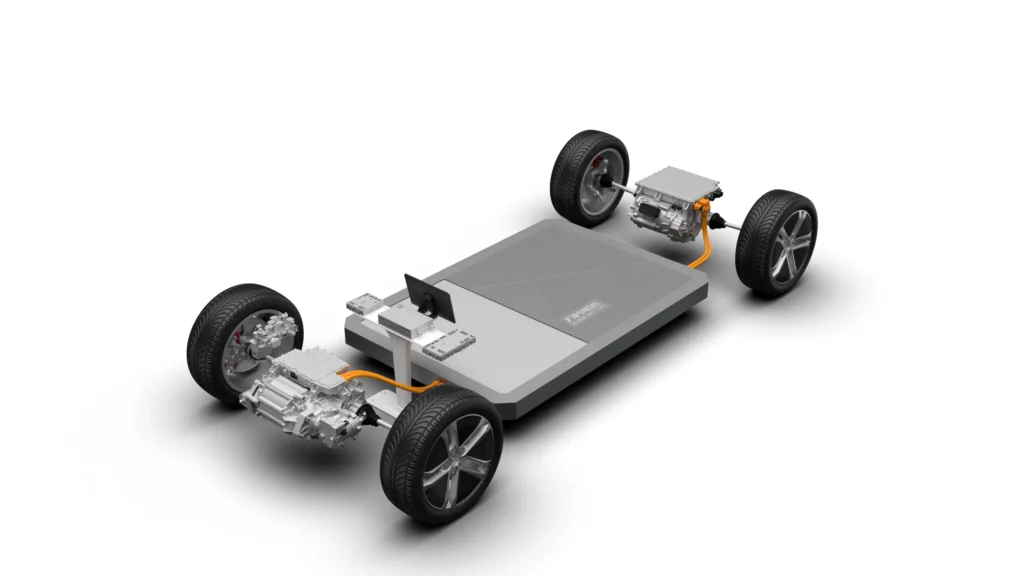
What Makes BYD Batteries Different
BYD uses lithium iron phosphate (LFP) chemistry in its battery packs, which sets them apart from competitors like Tesla and Nissan that often rely on nickel manganese cobalt (NMC) batteries. LFP batteries offer superior thermal stability and safety, particularly important in Australia’s extreme climate conditions.
The trade-off is energy density—LFP packs are slightly heavier for the same capacity—but they deliver longer cycle life and slower degradation. BYD’s battery management systems monitor cell voltage, temperature, and charging patterns to maximise longevity, making them a practical choice for Australian drivers covering long distances in varied conditions.
How Long Do BYD Batteries Last?
Battery lifespan depends heavily on how you drive and where you live. Aggressive acceleration and hard braking accelerate battery wear, reducing available capacity over time. In Australia, extreme temperatures pose particular challenges—scorching summers and cold winter mornings in some regions push battery management systems to work harder to maintain optimal operating temperatures.
Battery capacity is measured in kilowatt-hours (kWh). As the pack ages, available kWh declines, reducing your driving range. Most manufacturers, including BYD, guarantee a minimum capacity retention over the warranty period—typically 70% after eight years or a specified distance.
Smarter charging habits can extend battery life. EV charging practices like avoiding repeated rapid charging sessions, keeping the battery between 20% and 80% for daily use, and parking in shade during summer all help reduce stress on the pack.
Warning Signs Your BYD Battery Needs Replacement
Several indicators suggest your battery is approaching the end of its useful life:
Sudden range loss is the clearest sign. If your Atto 3 or Dolphin now covers significantly less distance on a full charge than when new—beyond normal seasonal variation—the battery’s capacity has likely degraded substantially.
Dashboard warning lights related to the battery or charging system require immediate attention. BYD’s onboard diagnostics monitor cell health in real time and alert you to voltage irregularities or thermal management issues.
Performance degradation includes slower acceleration, reduced regenerative braking efficiency, or the vehicle limiting power output to protect the battery. These symptoms indicate the pack can no longer deliver rated power.
Diagnostic tools used by BYD service centres measure individual cell voltages, internal resistance, and overall state of health. These assessments provide objective data on whether replacement is necessary or whether the issue lies elsewhere in the vehicle’s electrical system.
BYD Battery Replacement Costs in Australia
Replacing a BYD battery pack in Australia typically costs between AUD 8,000 and AUD 15,000, depending on the model and battery size.The BYD Atto 3, for example, uses a 60.5 kWh pack, while the Seal’s larger pack commands a higher replacement price.
Labour adds 10% to 20% to the total. Battery replacement involves safely disconnecting high-voltage systems, removing the old pack from underneath the vehicle, and installing and calibrating the new unit—specialist work requiring trained technicians and proper equipment.
Prices vary by dealership and location. Metropolitan service centres may charge differently than regional workshops. Always request a detailed quote including parts, labour, disposal fees for the old battery, and any software updates required for the new pack.
As EV technology matures and production scales up, replacement costs are expected to decline. More third-party repair options may emerge, though using non-genuine batteries can void warranties and compromise vehicle safety systems.
How Warranty Coverage Affects Your Costs
BYD’s battery warranty significantly reduces out-of-pocket expenses for owners facing premature battery degradation. Most BYD vehicles sold in Australia include an eight-year or 160,000-kilometre battery warranty, whichever comes first, covering defects and capacity loss below a specified threshold—usually 70% of original capacity.
If your battery fails or degrades beyond warranty limits during the coverage period, BYD will repair or replace it at no cost. This protection is one of the strongest points in favour of buying new rather than used.
Warranty coverage has conditions. It typically excludes damage from accidents, flooding, improper charging equipment, or modifications to the vehicle’s electrical system. Regular servicing at authorised BYD service centres helps maintain warranty validity.
Understanding your specific warranty terms is essential. Check your owner’s manual or contact your selling dealer to confirm coverage details, exclusions, and the claims process. Keeping service records and following BYD’s maintenance schedule protects your rights if a claim becomes necessary.
Maintaining Battery Health to Avoid Early Replacement
Proactive care extends battery life and delays expensive replacement:
- Avoid extreme charge levels. Keeping the battery between 20% and 80% for daily driving reduces stress. Only charge to 100% for long trips.
- Limit rapid charging frequency. DC fast charging generates more heat than AC charging. Use it when necessary, but rely on slower home charging for routine top-ups.
- Park in shade or garages during extreme weather to minimise temperature stress on the battery.
- Follow BYD’s service schedule. Regular inspections catch problems early, and software updates optimise battery management.
- Drive smoothly. Gradual acceleration and anticipating stops to maximise regenerative braking reduces unnecessary energy cycling.
These habits don’t prevent eventual capacity loss—batteries are consumable components—but they maximise the years and kilometres you get before replacement becomes necessary.