

The Li Auto solid-state battery timeline points to limited deployment on some vehicles in 2027 or 2028, though mature mass production across the auto sector will take longer, according to a company executive.
Li Auto Solid-State Battery Timeline for Vehicles
Li Auto (NASDAQ: LI) expects to equip some vehicles with solid-state batteries in 2027 or 2028, but mature, large-scale production for the auto sector remains further off, according to people familiar with the matter cited by Chinese financial media outlet Cailian Press on Tuesday.
The report offers clearer insight into when Li Auto’s solid-state battery research could reach actual vehicles.
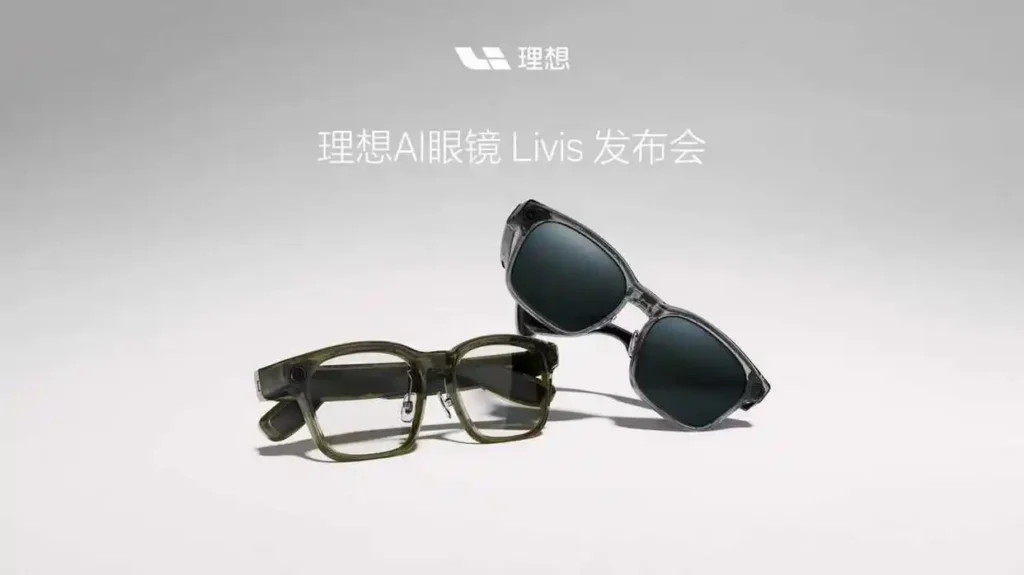
Li Auto has multiple solid-state battery projects under development and has already validated related prototypes in its eyewear products, while continuing to increase investment in the technology, said Liu Zhimin, the company’s senior director of power batteries.
Technical Challenges Facing Mass Production
Liu said achieving mature, large-scale production in vehicles, along with a consistent and reliable user experience, is still expected to take about five years.
“On solid-state batteries, there remain many challenges in simultaneously meeting requirements for lifespan, charging performance and cost,” he said.
Limited vehicle deployment and mature mass production represent different stages. Even if limited deployment is achieved in 2027 or 2028, that would not mean the batteries are widely used in mass-production models at that time.
Li Auto launched its Livis smart glasses in December 2025 but did not emphasize at the time that the device used a solid-state battery.
Self-Developed Batteries Expand to Li L8, L6 and i8
Solid-state battery research is part of Li Auto’s broader strategy to strengthen its own battery development capabilities. The company said on September 7 that its self-developed batteries have been applied to the Li L8, Li L6 and Li i8, with plans to gradually extend the technology to more model lines.
Li Auto said it began developing its own battery cells in 2020, with research covering 5C cells, battery packs and battery management systems (BMS).
Joint Venture and Financial Ties With Battery Partners
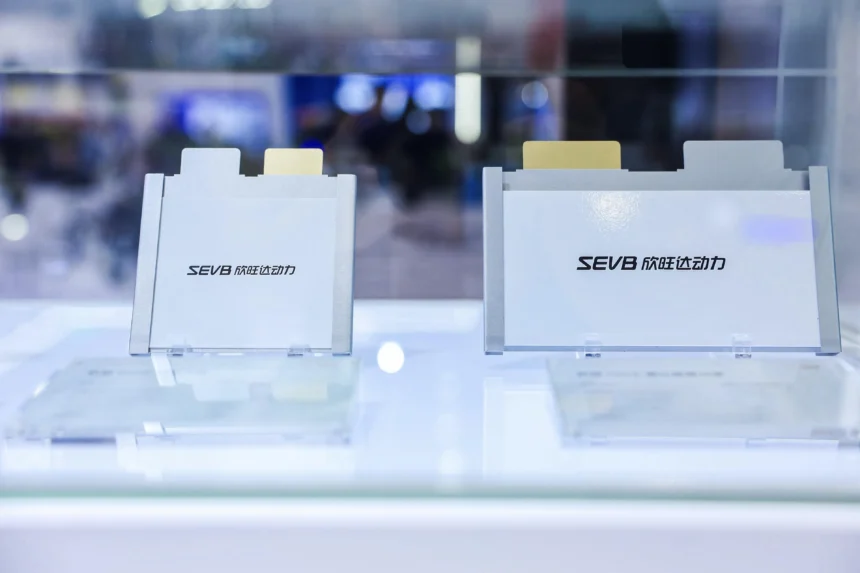
These batteries are produced by a joint venture that Li Auto and Sunwoda (SZSE: 300207) established in 2025, with each company holding a 50% stake.
Li Auto is also deepening its financial ties with battery manufacturing partners. Sungrow disclosed on September 4 that Li Auto plans to invest in Sungrow New Energy Vehicle Battery Co. (Sunwoda EVB), after which it will directly hold an 8.79% stake in the company, becoming its second-largest single shareholder.
Industry-Wide Solid-State Battery Milestones
Several Chinese automakers and battery makers have set 2027 as a milestone for solid-state battery development, though gaps remain between vehicle validation, limited application and large-scale commercialization.
Chery Automobile (HKEX: 9973) said on September 3 that it plans to begin vehicle validation of all-solid-state batteries in 2027, while hybrid solid-liquid batteries, used as a transitional solution, are set to be installed in vehicles in the fourth quarter of 2026.
CATL (HKEX: 3750) chief scientist Wu Kai said in 2024 that the company aims to reach the technical level needed for small-batch production of all-solid-state batteries by 2027, though large-scale production will still face cost and other challenges.
CATL chairman Zeng Yuqun said in June this year that all-solid-state battery technology currently sits at level 4 on a 1-to-9 scale, with level 9 representing readiness for mass production.
Li Mega and Li i9 to Shift to Self-Developed Cells
The new-generation Li Mega and the upcoming Li i9 will gradually move from CATL-supplied batteries to Li Auto’s self-developed batteries.